Arbroath Abbey, Arbroath – Angus

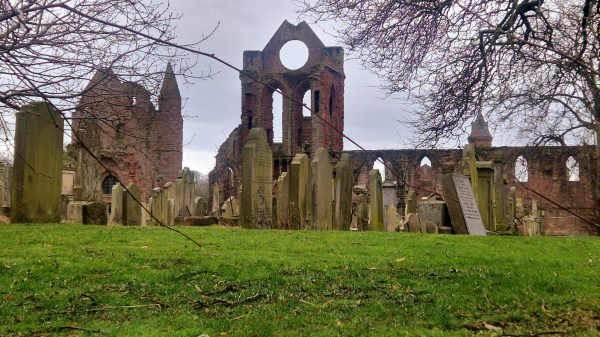
As you walk into the heart of the city of Arbroath, you get a feeling of the enormity that this Abbey once was. Impressive parts of this red sandstone cruciform Church still survive, the west end, south transept & sacristy, the gatehouse and the Abbot’s house which is now the museum. The cloister and other buildings are now ruinous but their foundations are still apparent and there’s also a large cemetery within the grounds.

Arbroath Abbey was founded in 1178 by King William (1st), the Lion, for the Tironensian Benedictin Monks from Kelso Abbey. King William bestowed considerable lands and great wealth upon the Abbey as well as custody of the Monymusk Reliquary, the casket believed to contain the relics of St Columba. It’s believed that he had the Abbey built in memory of his murdered dear friend, Thomas Becket (St Thomas the Martyr) and in the hope of currying favour with God for his own safety. William had been captured by English forces at the Battle of Alnwick in 1174 and only released by King Henry II a year later after being forced into signing the Treaty of Falaise which acknowledged Henry as William’s feudal superior. William was eventually buried here in 1214.
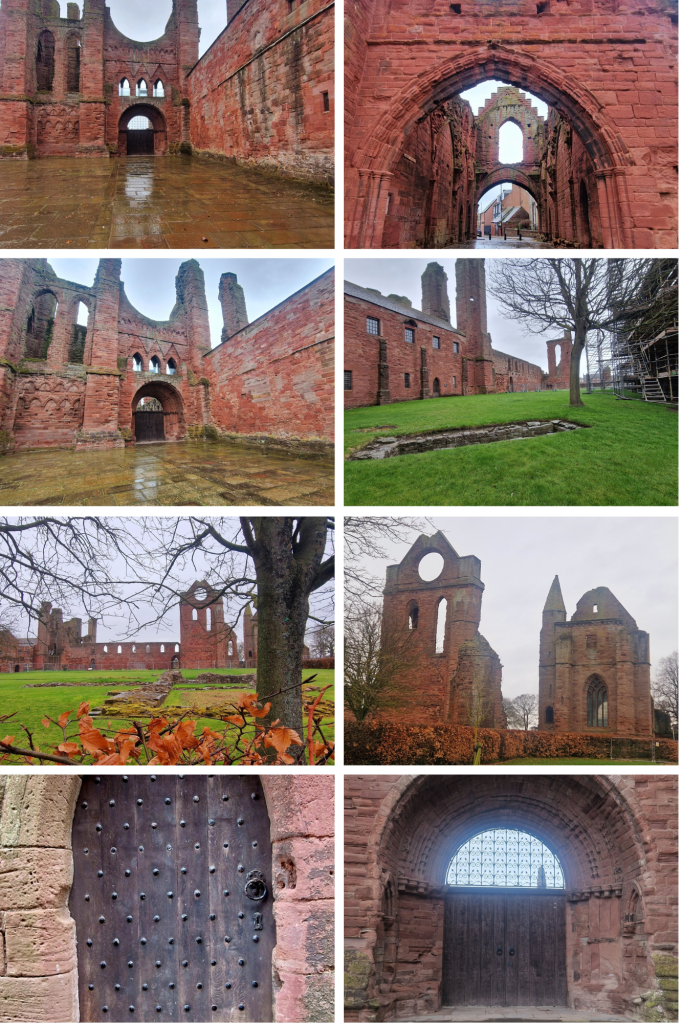
The Declaration of Arbroath, asserting Scottish independence over English aggression, was signed here in 1320. The original document is in the keeping of National Records of Scotland however a copy can been seen in the abbey’s museum. In 1951 a group of students stole back Scotland’s Stone of Destiny from Westminster Abbey. It had been seized in 1296 by Edward I of England from Scone Palace (nr Perth) where all Scottish Kings were crowned upon it. Edward took the stone to demonstrate his power over Scotland. It was used in the coronation of British monarchs thereafter however this was hugely resented by Scots. The students eventually placed it at the High Alter of Arbroath Abbey. The Stone of Destiny is now currently on display at Perth Museum.

In the 1800’s Arbroath’s huge fishing fleet would look for the massive round window of the Abbey’s south transept gable to guide them home from the open sea. A red beacon fire was lit at the iconic window and this practice gave the people from Arbroath the nickname of ‘Red Lichties’ (red lights).

Claypotts Castle – Dundee

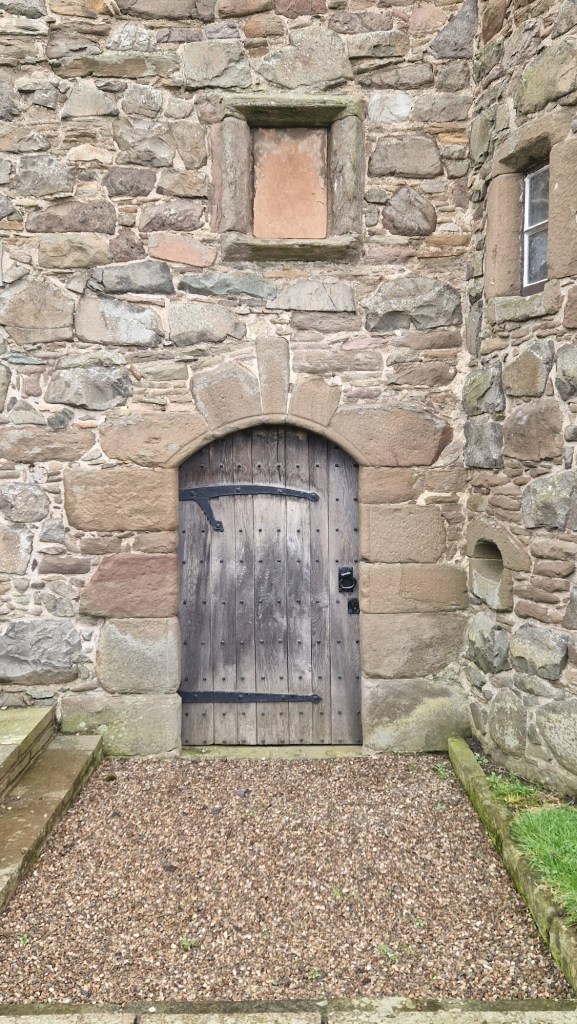
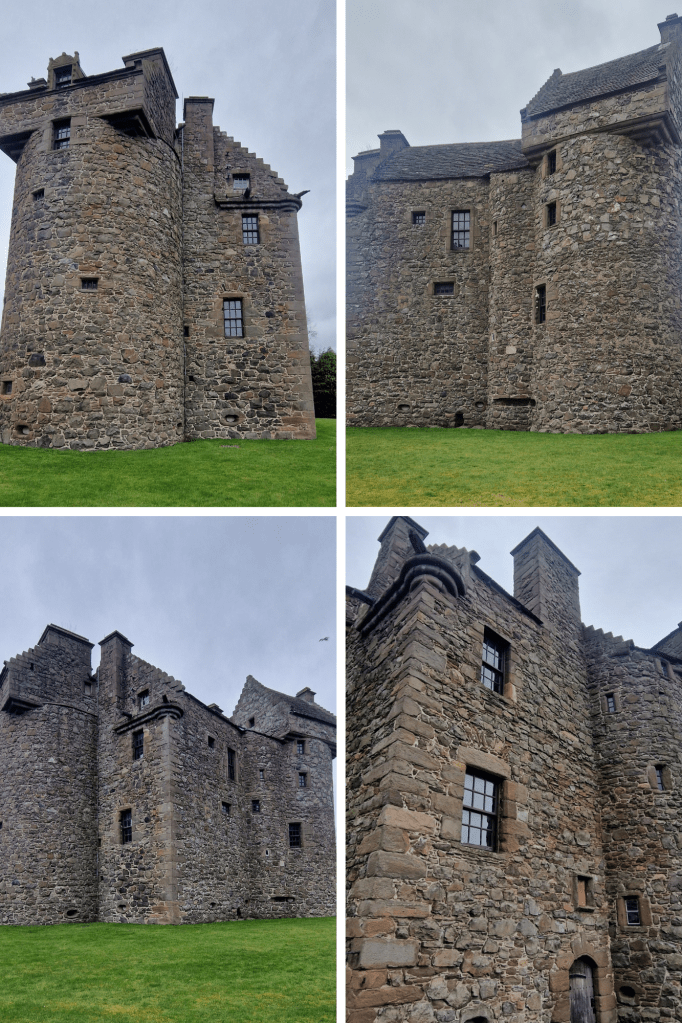
In the West Ferry area of Dundee, you’ll find the fairy-tale-like Claypotts castle. This curious and striking castle comprises a Z-plan Tower House, built as a family home by John Strachan and his son over two decades in the 1500’s and was, at that time, surrounded by several outbuildings and farm land. It consists of a rectangular main block, two large round towers and crowned with square gabled chambers at opposite corners. The round towers and diagonal corners meant that any attackers could easily be spotted.

The lands at Claypotts had originally been owned by Lindores Abbey and as the name ‘Claypotts’ suggests it was used by the Abbey as the location for their pottery production around 1247. By the early 1500’s the land had passed to John Strachan when he married Eufame Durham. Their servants included Jonet Wilkie, who worked for them here for over 14 years, Margaret Swynton who was house keeper and responsible for supervising the other servants and it’s known she earned a salary of six pounds a year. A male servant, George Tailyour was the family porter who answered the door and took care of all the candles and lighting. Eufame lived here all of her married life until her death in 1580. Her will still exists and lists property including her brown riding horse and 15 oxen for ploughing.

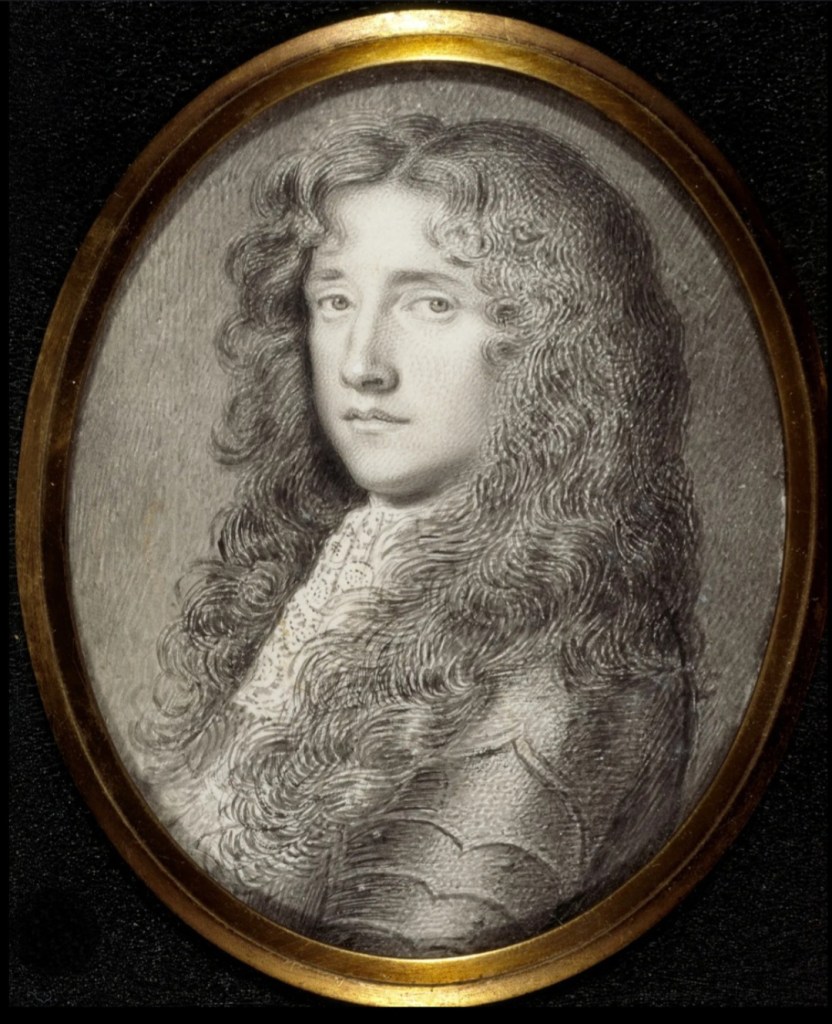
The Castle was sold to the Grahams in 1620. John Graham, 7th Laird of Claverhouse & 1st Viscount of Dundee, inherited Claypotts in 1653 when he was only 4 years old. Claverhouse was a professional soldier and gained a reputation as ‘Bluidy Clavers’ because of his enthusiastic persecution of Covenanters in Galloway. He became a prominent character during the Jacobite rebellion, earning himself the nickname ‘Bonnie Dundee’ (and by all accounts he was a very handsome fellow – see image below) by his supporters after he was shot and fell from his horse, mortally wounded, leading the Jacobites to victory over the forces of King William III & Queen Mary II at the battle of Killiecrankie in 1689. He was buried 3 days later in the mausoleum at St Brides Kirk, Old Blair. His lands were forfeited in 1694 and passed to Douglas, Earl of Angus, when the Jacobean cause was lost, then latterly passing to the Horne family. Thereafter the castle fell into a dilapidated condition but continued to be lived in by farm labourers until the late 19th century.

Claypotts finally fell into State care in 1926 when the surrounding buildings were demolishing and eventually replaced by incongruous modern housing. I felt sad to find this lovely, quirky castle sitting cheek by jowl with such dreary buildings.

It’s said that Claypotts is haunted by the spirit of a ‘White Lady’. This ghostly apparition is thought to be Marion Ogilvie, long-term mistress of Cardinal David Beaton and there is also an eerie legend that John Graham of Claverhouse still haunts the rooms of the castle.

The Castle Grounds are open all year however access to the Claypotts Castle itself needs to be arranged via Historic Scotland – 0121 878 756

Dogton Stone, Cluny – Fife

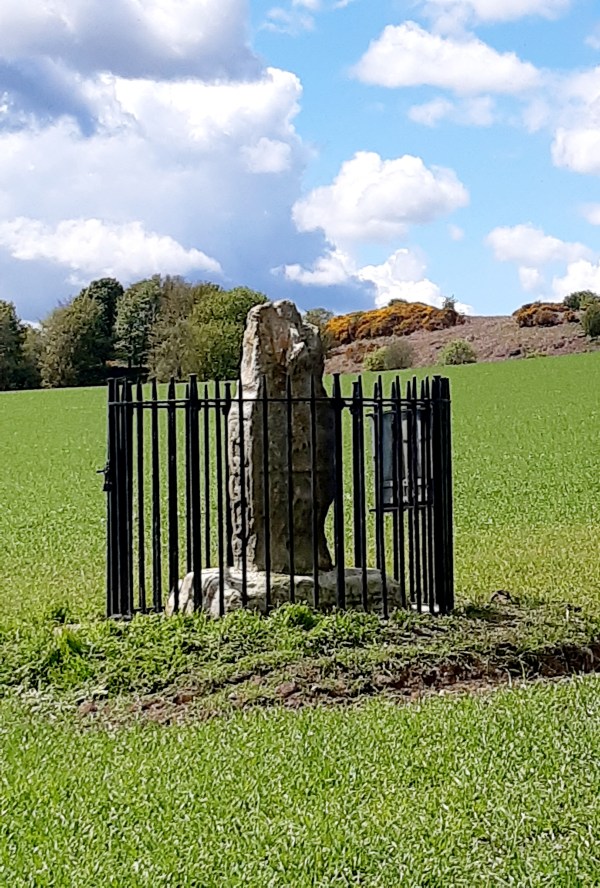
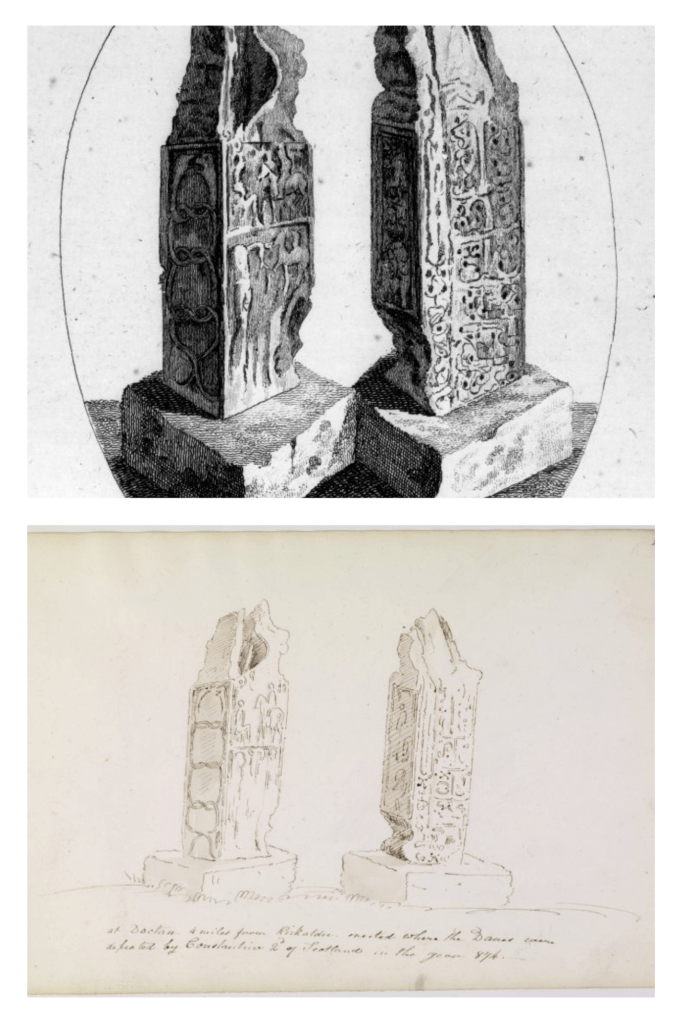
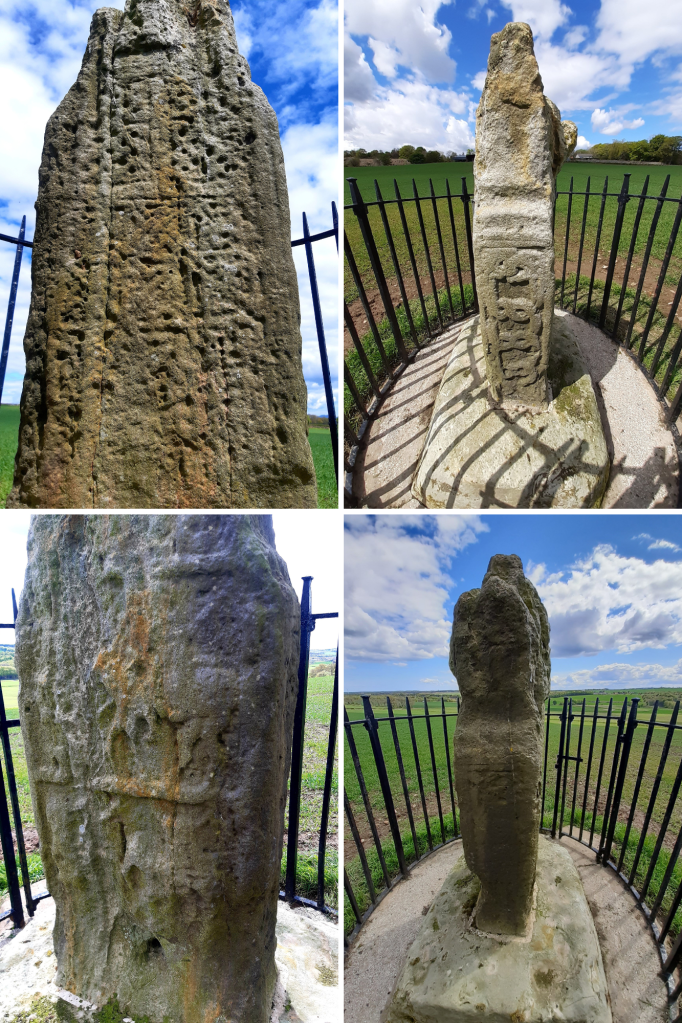
In a wheat field at Dogton Farm, there stands a long forgotten Pictish Stone. Enclosed in iron fencing for protection, it’s a 9th century Class III, free-standing Pictish Cross which seems to have lost its head and arms centuries ago. An etching of the stone was done in 1772 by Thomas Pennant (1726-1798, Welsh naturalist, traveller, writer & antiquarian). Then, another sketch from 1832 by James Skene (1775-1864, Scottish lawyer and amateur artist, best known as a close friend of Sir Walter Scott), mentions that the stone was “at Dogton, 4 miles from Kirkcaldy, erected where the Danes were defeated by Constantine 2 of Scotland in the year 874”. Both illustrate the Dogton stone in its damaged condition.

The stone stands around 4ft 10ins (1.5M) and had originally been sculpted in relief on all four sides, however, the weather over these many centuries has taken its toll. On the West facing side, intricate knotwork, typical of Celtic artistry can still be clearly seen. Stretching up the South side of the stone, two entwined, snapping serpents are depicted. It’s said that in Celtic culture, serpents were sacred to high-ranking members of society, associated with rebirth, eternal life and healing. The East face shows what once was a battle scene, with a horseman still quite visible. Unfortunately the North face of the Dogton stone is so very weathered, it’s not longer discernible.

What an incredible sense of awe I felt, to have come across such a remarkable piece of ancient history and it set my mind rambling with thoughts of the people who created this and why it would have been erected here. It’s possible the stone could have been erected to specifically mark the victory in battle of Constantine 2nd over the Danes, or, perhaps, simply as a decorative way marker for pilgrims heading towards religious sites such as nearby Scotlandwell, Lindores Abbey, Balmerino Abbey, or St Andrews where holy relics of Saint Andrew were displayed in the Cathedral there. Oh to be a time traveller….

NB: Class III Pictish Stones – these originate from the 8th or 9th century and feature none of the unique Pitctish symbols of earlier stones, typically free-standing crosses which include Christian imagery.

Blog at WordPress.com.

Up ↑