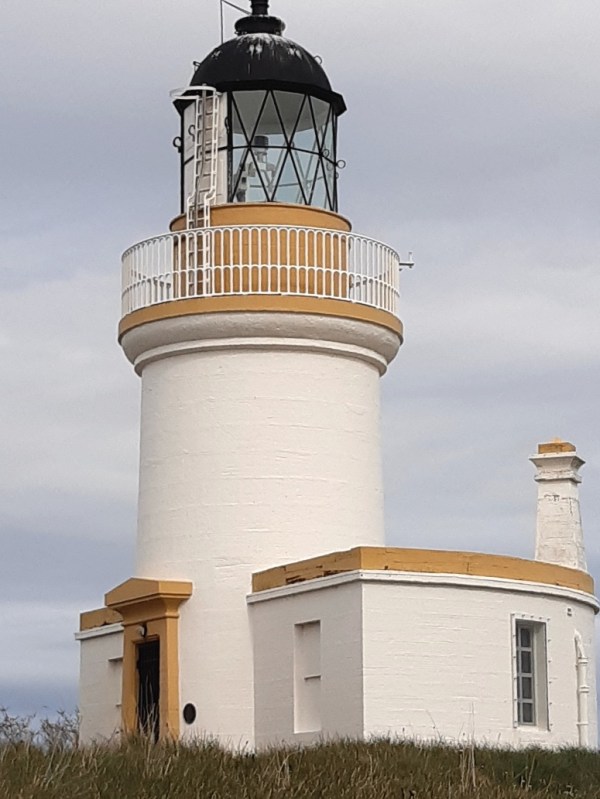
On my first trip around Scotland’s North Coast in the van, the first lighthouse on my itinerary was here at Chanonry Point. It’s one of over 200 that are located around Scotland’s wild and sometimes unforgiving coastline. Operated and maintained by the Northern Lighthouse Board they warn ships of dangerous waters and provide safe passage.
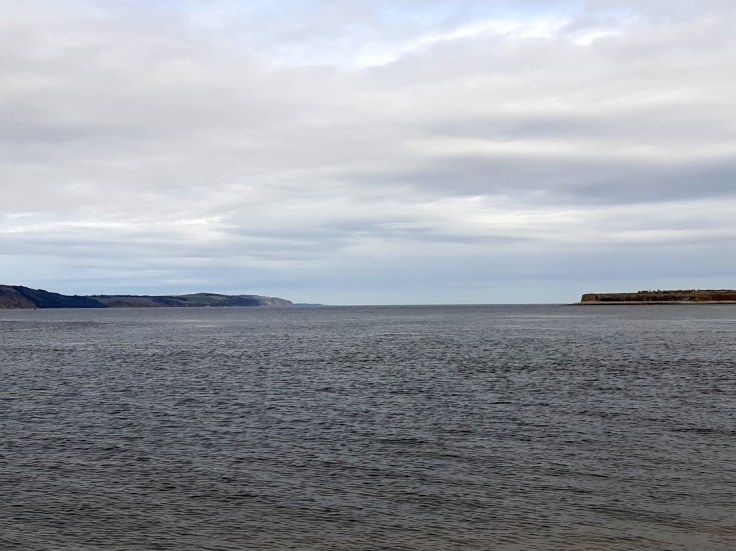
Chanonry Lighthouse is situated on the Black Isle, south of Rosemarkie, where the Moray Firth narrows between Chanonry Point and Fort George. Standing only 13 meters high, this lighthouse was designed by Alan Stevenson (1807-1865), who was also the engineer responsible for the building of the Scotland’s tallest lighthouse in the Herbrides, Skerryvore Lighthouse, in 1844, where it marks an extensive rocky reef. The establishment of a lighthouse here at Chanonry Point was first proposed in 1834 but not approved by the Commissioners of Lighthouses until 1843. It cost £3,570 (quite a handsome amount at that time) and the light first shone out to sea on 15th May 1846.
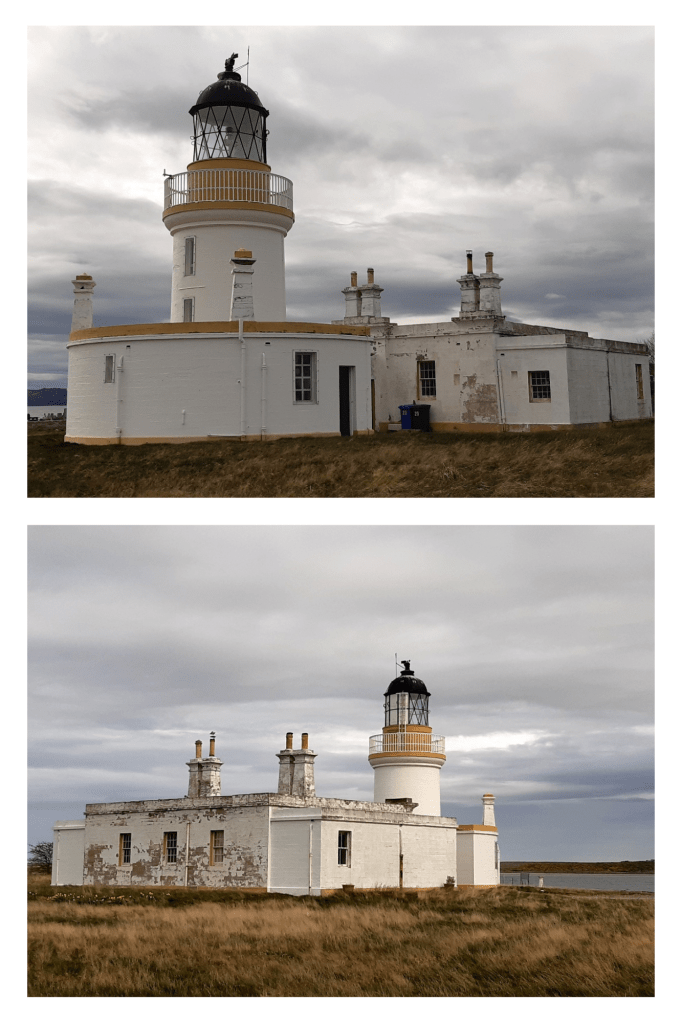
This was originally a ‘one man station’, a remote, lonely and hard existence. The keeper was required to keep a night-time watch in the lightroom to ensure the light flashed correctly, while during the day, he was expected to clean, paint (if necessary) and keep the premises tidy. The light here was eventually automated in 1984 and the former keeper’s cottages and outbuildings were sold and are now privately owned. They certainly could do with a lick of paint now!
The Lighhouse Stevensons Legacy – for over a hundred and fifty years, Robert Stevenson and his descendants designed most of Scotland’s lighthouses. The Stevenson family constructed wonders of engineering which have withstood time and the harsh Scottish elements. It’s said that Robert Stevenson’s talented literary grandson, Robert Louis Stevenson, took inspiration for his books ‘Kidnapped’ and ‘Treasure Island’ from visits to remote lighthouses with his Father and Grandfather.
 Scottish Adventures - in a van