Tomb of Robert Munro Ferguson – Kirkcaldy, Fife

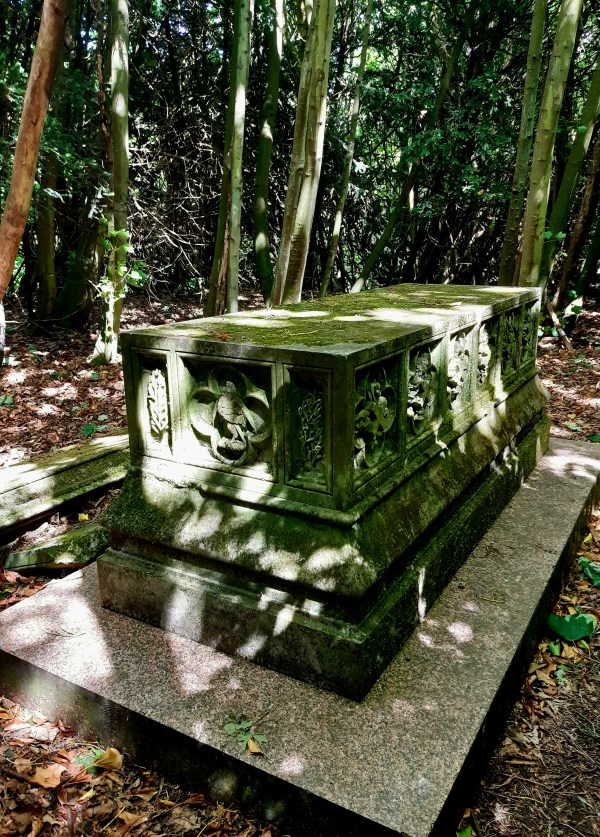
In an overgrown tangle of trees on a hill in the Raith Estate, on the outskirts of Kirkcaldy, there’s a long forgotten tomb. This is a place only visited by the occasional dog walker and teenagers searching for a bit of woodland adventure. Millie didn’t care that it took a while to find the location and what a magnificent resting place this would have been, once upon a time, when it overlooked Raith Lake and the surrounding rolling hills.

This is the Tomb of Lieutenant Robert Munro Ferguson, an officer of the 79th Regiment of Foot who became Colonel of his Regiment, commanding from 1835 to 1841. He was born on 20th August 1802, grew up in Muirton in Fife then went on to study in Edinburgh. Robert was the son of Ronald Craufurd Ferguson (also Colonel of the 79th from 1821 to 1841) and was appointed commanding officer with the rank of lieutenant-colonel on 13 March 1835, thus commanding in the regiment under his Father. The regiment had been serving in Canada but returned to Scotland in 1836.

On retiring from the army, Robert got into politics and became Liberal MP for Kirkcaldy Burghs from 1841 to 1862. He wholeheartedly supported the Liberal agenda, wanted electoral reform, male suffrage and the secret ballot, supported triennial fixed parliaments, voted for revision of Corn Laws and income tax. He also voted for universal, free schooling. Robert was re-elected unopposed at 4 consecutive general elections.

On 17th May 1859 he married Emma Elizabeth Mandeville at Westminster in London and they went on to have six children together: Ronald Craufurd, Alice Edwina, Emma Valentine, Hector, Robert Harry & Edith Isabel. In 1864 Robert inherited the baronies of Novar in Ross and Muirton on condition of adding ‘Munro’ to his surname. He died on 28 November 1868 and was laid to rest here.
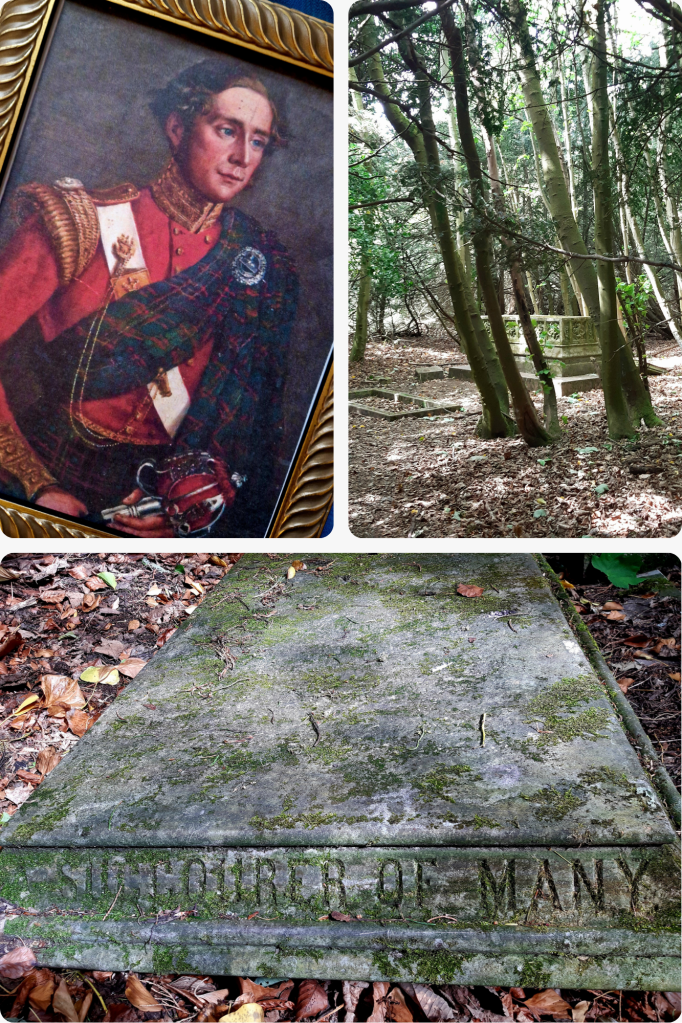
The slab from the top of his tomb now lies unceremoniously, toppled to one side and the inscription around its rim reads: Robert Munro Ferguson of Raith & Novar. Lieutenant Colonel of the 79th Highlanders. Born 20th Aug 1802, Died 27th November 1868, Succourer Of Many.

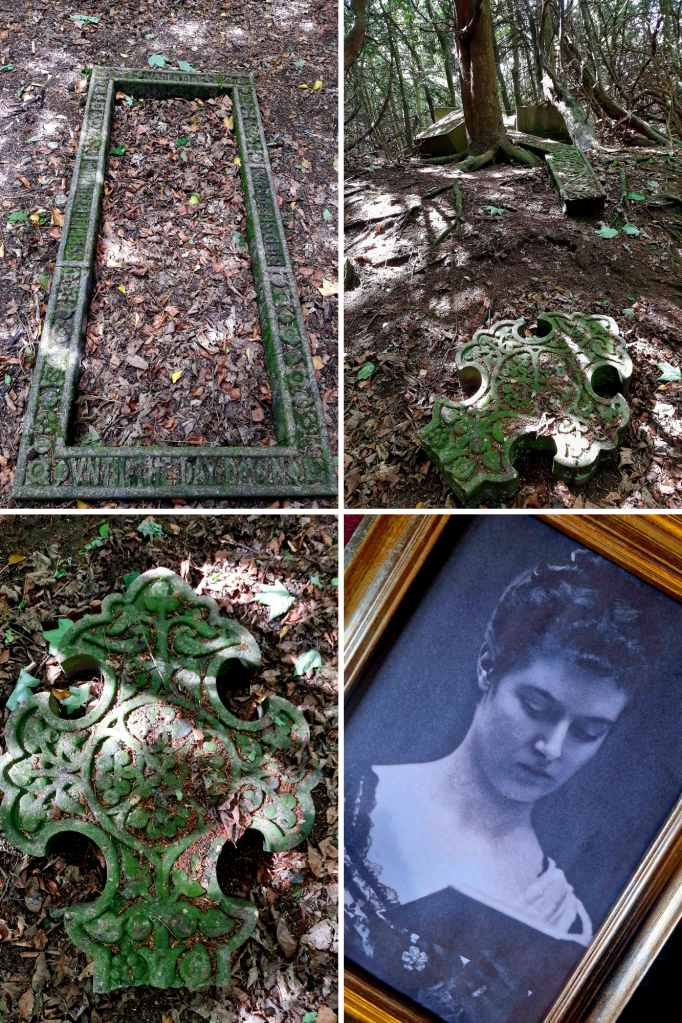
His daughter, Emma Valentine, also held her father’s liberal views, was in favour of women’s suffrage and is known to have created a leaflet entitled ‘Union of Practical Suffragists within the the Women’s Liberal Federation’. In 1890 she became engaged to Scottish born politician, Richard Burdon, Viscount Haldane, but for reasons I haven’t been able to ascertain, she broke off the engagement. Sadly, Emma died at the age of 34 years and was laid to rest here alongside her Father. The beautifully intricate, now broken cross lying in pieces on the slope was in memoriam of her as the base bears her name. The inscription around her grave is still legible and says: Valentine. Born Feb 14 1863. Died Sep 14 1897. Until The Day Dawn.
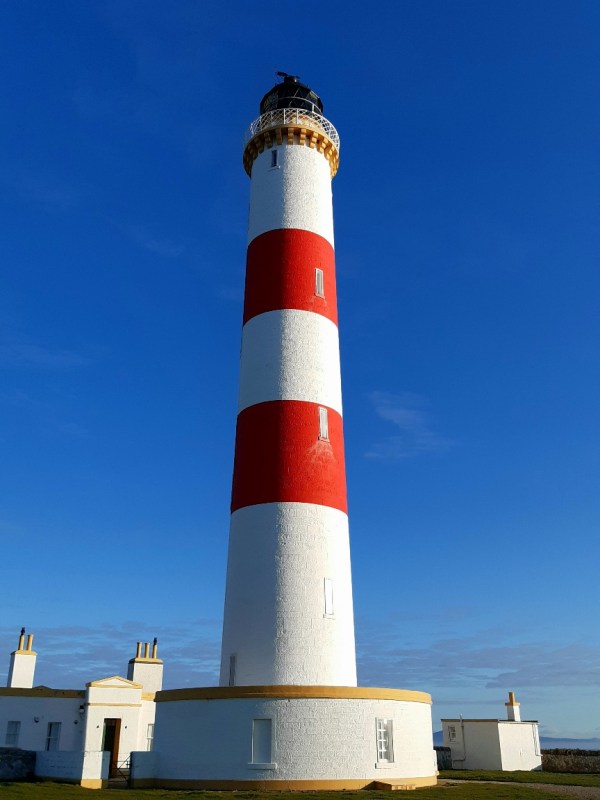
Tarbat Ness Lighthouse (Taigh-solais Rubha an Tairbeirt)-Portmahomack,Highland

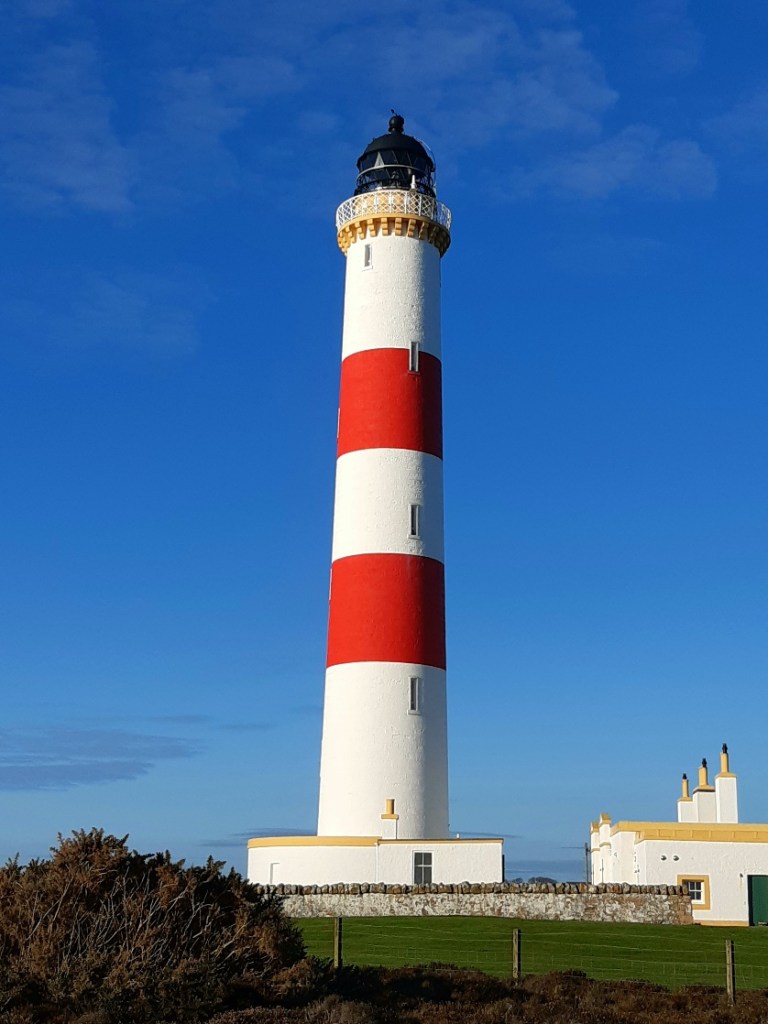
Driving ever farther northward on my trip around Scotland, I reached the north west tip of Tarbat Ness peninsula, just outside the fishing village of Portmahomack on the east coast and parked for the night under the watch of this stunning lighthouse.

Tarbat Ness Lighthouse stands 41 meters high and is Scotland’s second tallest land-based lighthouse. It was designed by famous Scottish engineer, Robert Stevenson and was first exhibited on 26 January 1830. Its two red bands were added in 1915 to make it easily distinguishable from other lighthouses as a day marker.

A principal lightkeeper, an assistant and their families lived here at Tarbat Ness until is was automated in 1985. The Keeper and Assistant would take shifts in keeping watch in the lightroom, ensuring the light flashed correctly to character. During the day they’d be busily engaged in cleaning, keeping everything in order and painting when necessary. After automisation the cottages and outhouses were sold into private ownership.

The light is automatically operated when daylight falls and rises between set levels when a sensor switches the light on or off. The light is monitored 24 hours a day remotely and technicians visit annually to service the light and carry out maintenance.

The Light flashes white, 4 times every 30 seconds and has a range of 24 nautical miles. The tower has an elevation of 53 metres (174 ft) and 203 steps to the top.

Navigating Scotland’s more than 6000 mile shoreline has always been a hazardous undertaking and it’s one of the most beautiful but treacherous coasts in Europe. In 1786 a Commission was set up to build, initially, four lighthouses. Now known as the Northern Lighthouse Board, it is responsible for over 200 lighthouses.

Chanonry Point Lighthouse (Rubha na Cananaich) – Black Isle

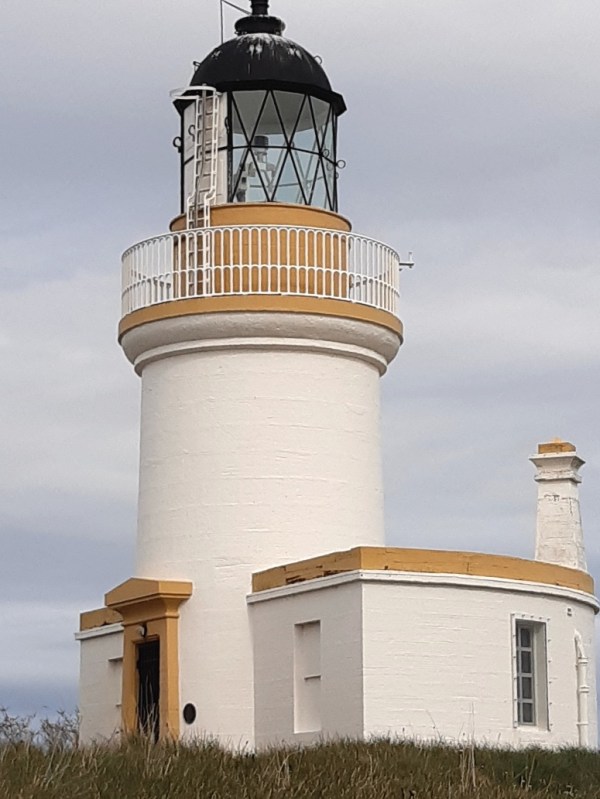
On my first trip around Scotland’s North Coast in the van, the first lighthouse on my itinerary was here at Chanonry Point. It’s one of over 200 that are located around Scotland’s wild and sometimes unforgiving coastline. Operated and maintained by the Northern Lighthouse Board they warn ships of dangerous waters and provide safe passage.

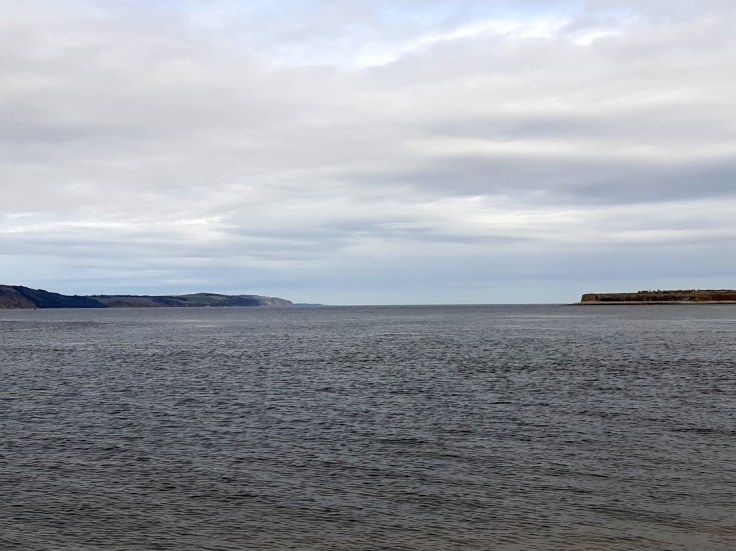
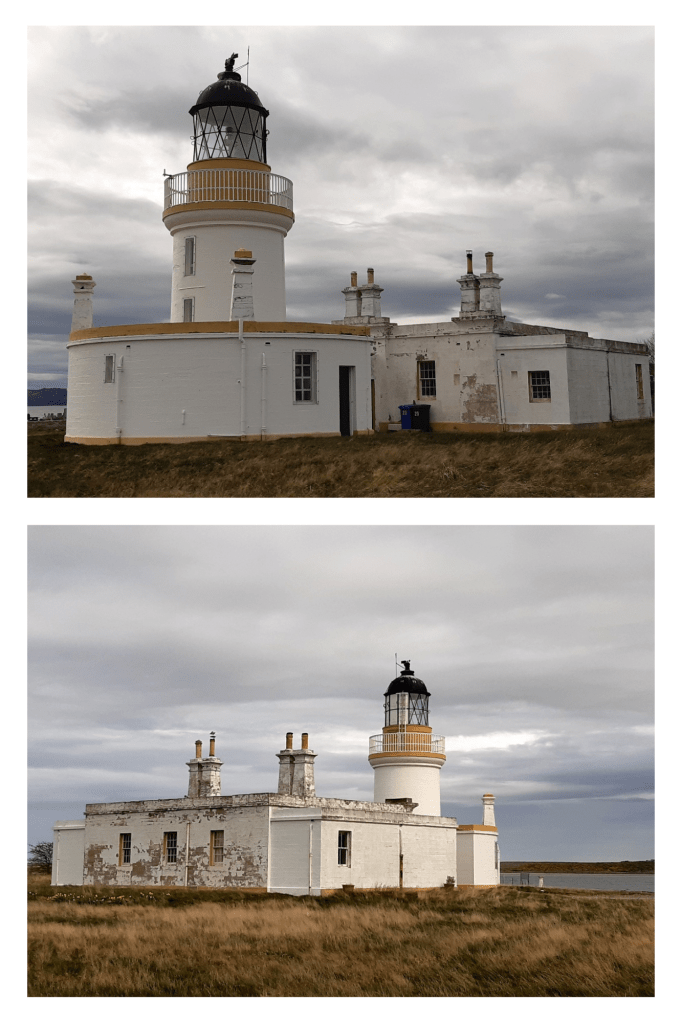
Chanonry Lighthouse is situated on the Black Isle, south of Rosemarkie, where the Moray Firth narrows between Chanonry Point and Fort George. Standing only 13 meters high, this lighthouse was designed by Alan Stevenson (1807-1865), who was also the engineer responsible for the building of the Scotland’s tallest lighthouse in the Herbrides, Skerryvore Lighthouse, in 1844, where it marks an extensive rocky reef. The establishment of a lighthouse here at Chanonry Point was first proposed in 1834 but not approved by the Commissioners of Lighthouses until 1843. It cost £3,570 (quite a handsome amount at that time) and the light first shone out to sea on 15th May 1846.

This was originally a ‘one man station’, a remote, lonely and hard existence. The keeper was required to keep a night-time watch in the lightroom to ensure the light flashed correctly, while during the day, he was expected to clean, paint (if necessary) and keep the premises tidy. The light here was eventually automated in 1984 and the former keeper’s cottages and outbuildings were sold and are now privately owned. They certainly could do with a lick of paint now!

The Lighhouse Stevensons Legacy – for over a hundred and fifty years, Robert Stevenson and his descendants designed most of Scotland’s lighthouses. The Stevenson family constructed wonders of engineering which have withstood time and the harsh Scottish elements. It’s said that Robert Stevenson’s talented literary grandson, Robert Louis Stevenson, took inspiration for his books ‘Kidnapped’ and ‘Treasure Island’ from visits to remote lighthouses with his Father and Grandfather.

Claypotts Castle – Dundee

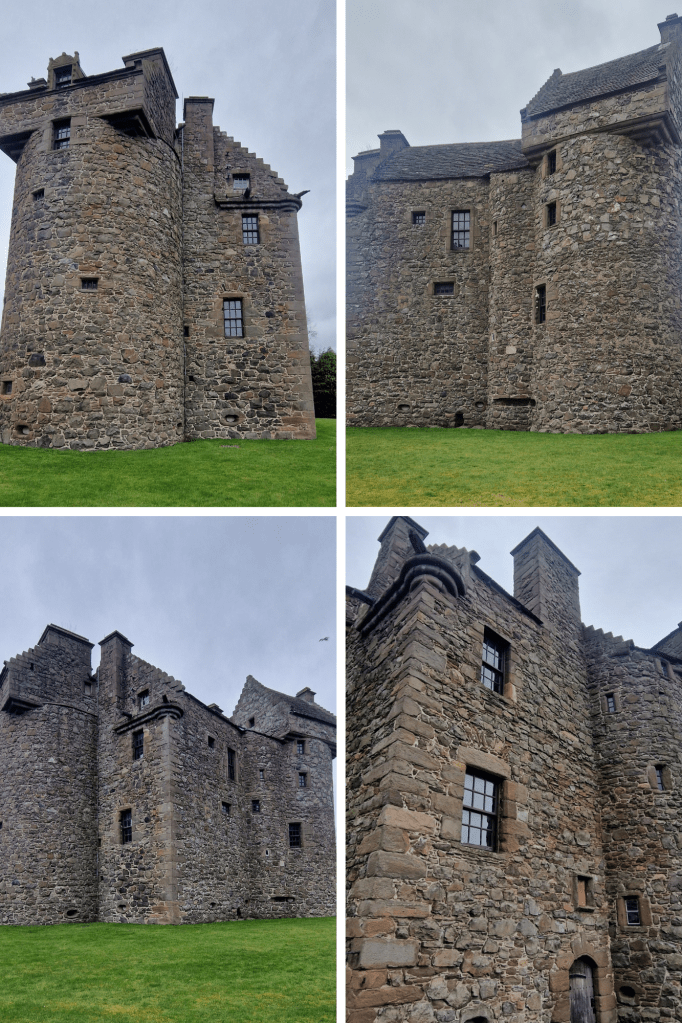
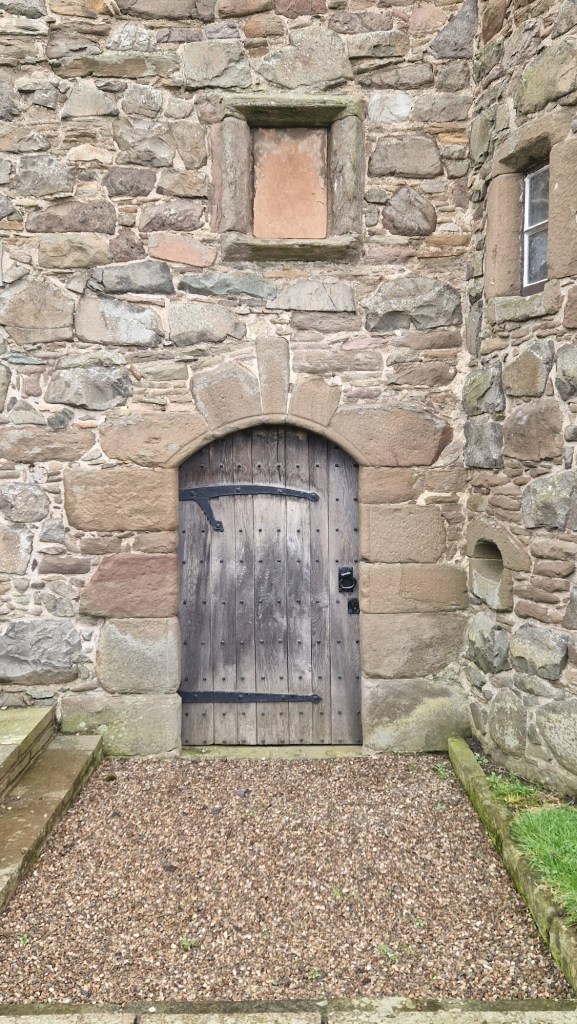
In the West Ferry area of Dundee, you’ll find the fairy-tale-like Claypotts castle. This curious and striking castle comprises a Z-plan Tower House, built as a family home by John Strachan and his son over two decades in the 1500’s and was, at that time, surrounded by several outbuildings and farm land. It consists of a rectangular main block, two large round towers and crowned with square gabled chambers at opposite corners. The round towers and diagonal corners meant that any attackers could easily be spotted.

The lands at Claypotts had originally been owned by Lindores Abbey and as the name ‘Claypotts’ suggests it was used by the Abbey as the location for their pottery production around 1247. By the early 1500’s the land had passed to John Strachan when he married Eufame Durham. Their servants included Jonet Wilkie, who worked for them here for over 14 years, Margaret Swynton who was house keeper and responsible for supervising the other servants and it’s known she earned a salary of six pounds a year. A male servant, George Tailyour was the family porter who answered the door and took care of all the candles and lighting. Eufame lived here all of her married life until her death in 1580. Her will still exists and lists property including her brown riding horse and 15 oxen for ploughing.

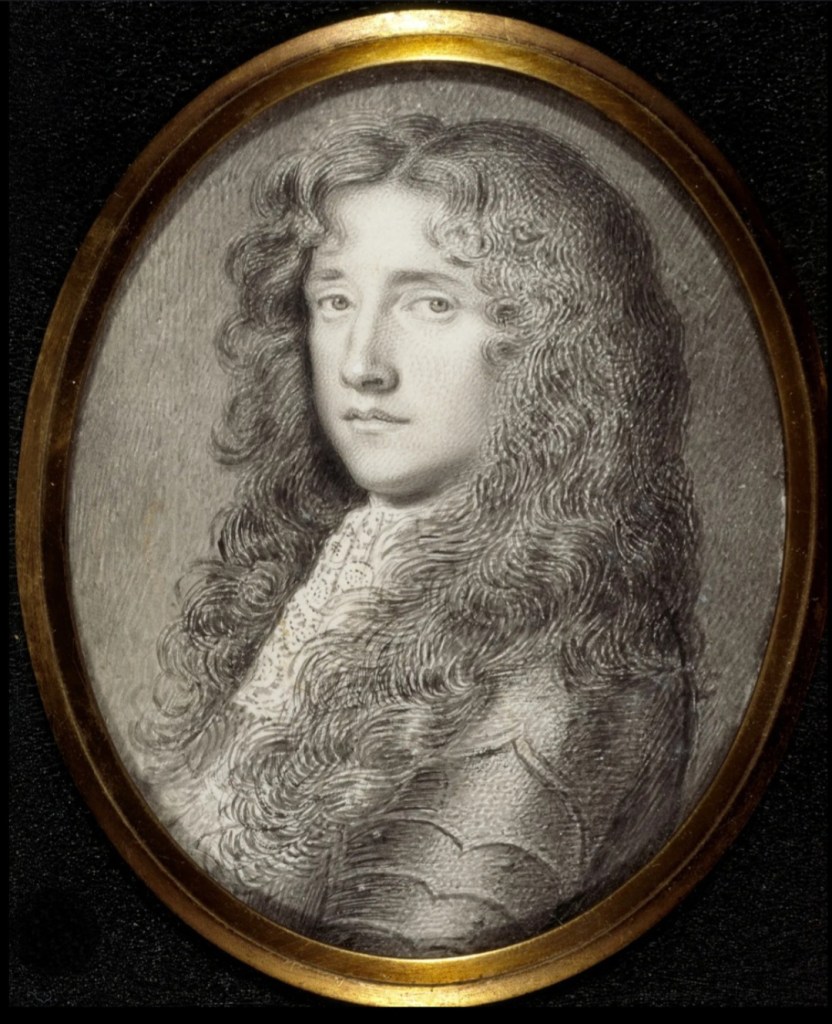
The Castle was sold to the Grahams in 1620. John Graham, 7th Laird of Claverhouse & 1st Viscount of Dundee, inherited Claypotts in 1653 when he was only 4 years old. Claverhouse was a professional soldier and gained a reputation as ‘Bluidy Clavers’ because of his enthusiastic persecution of Covenanters in Galloway. He became a prominent character during the Jacobite rebellion, earning himself the nickname ‘Bonnie Dundee’ (and by all accounts he was a very handsome fellow – see image below) by his supporters after he was shot and fell from his horse, mortally wounded, leading the Jacobites to victory over the forces of King William III & Queen Mary II at the battle of Killiecrankie in 1689. He was buried 3 days later in the mausoleum at St Brides Kirk, Old Blair. His lands were forfeited in 1694 and passed to Douglas, Earl of Angus, when the Jacobean cause was lost, then latterly passing to the Horne family. Thereafter the castle fell into a dilapidated condition but continued to be lived in by farm labourers until the late 19th century.

Claypotts finally fell into State care in 1926 when the surrounding buildings were demolishing and eventually replaced by incongruous modern housing. I felt sad to find this lovely, quirky castle sitting cheek by jowl with such dreary buildings.

It’s said that Claypotts is haunted by the spirit of a ‘White Lady’. This ghostly apparition is thought to be Marion Ogilvie, long-term mistress of Cardinal David Beaton and there is also an eerie legend that John Graham of Claverhouse still haunts the rooms of the castle.

The Castle Grounds are open all year however access to the Claypotts Castle itself needs to be arranged via Historic Scotland – 0121 878 756

Guard of Honour

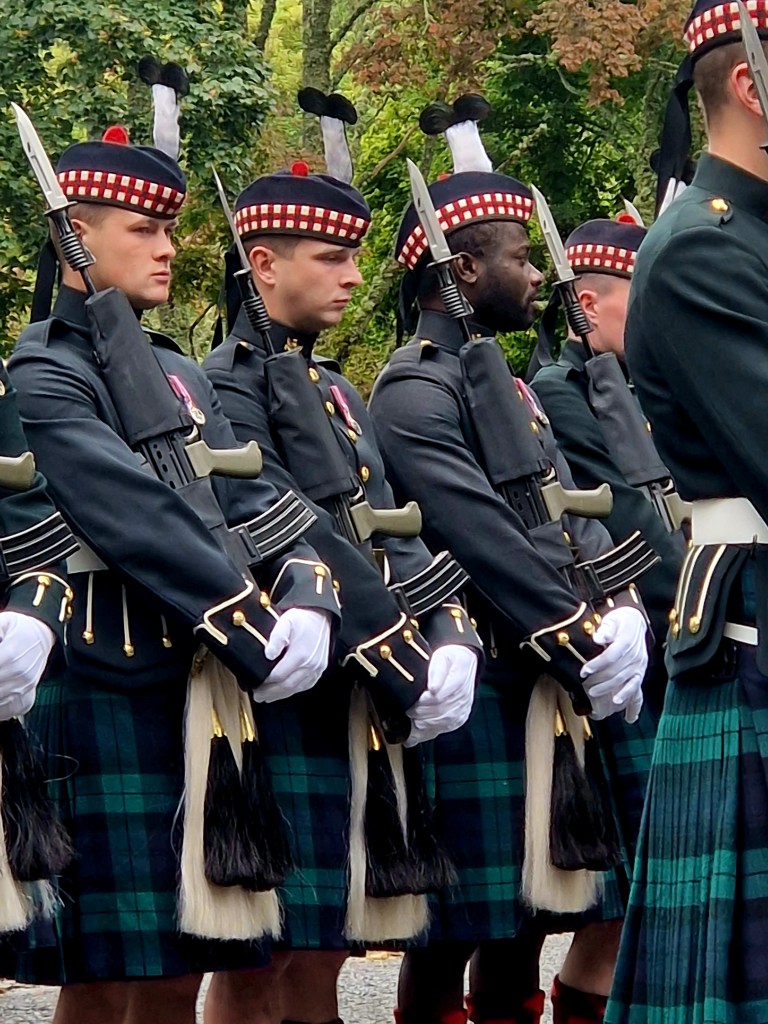
Fortuitously, I was in a café in Ballater when I heard this event would be taking place and as I was only a 15 minute drive away I thought I’d go along to watch the proceedings.

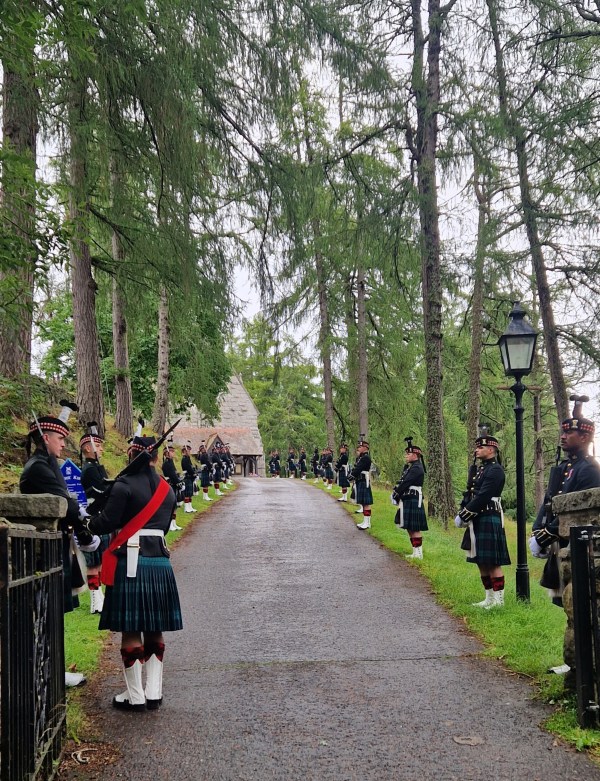
Balaklava Company, 5th Battalion of the Royal Regiment of Scotland, forms a Guard of Honour at Crathie Kirk to welcome members of the Royal Family. The British Royal Family have worshiped here at Crathie for over a century. While they are an independent rifle company, Balaklava Company are renowned for their ceremonial role in Scotland and remain on Royal Guard at Balmoral for the duration of the Monarch’s summer stay there.

Balaklava Company participated in ceremonies to escort the late Queen, Elizabeth II, in her coffin from Balmoral to Edinburgh then onward to London. They were also involved in her funeral. Lieutenant General, Nick Borton, said “It’s a deeply personal attachment for all the soldiers in the regiment to be involved in her funeral arrangements,” he said. “She was very fond of the regiment and all the soldiers in it. For us, it’s not just a military task, we’re saying goodbye to our Commander in Chief and our Colonel.”

Blog at WordPress.com.

Up ↑