Culsh Earth House, Tarland – Aberdeenshire

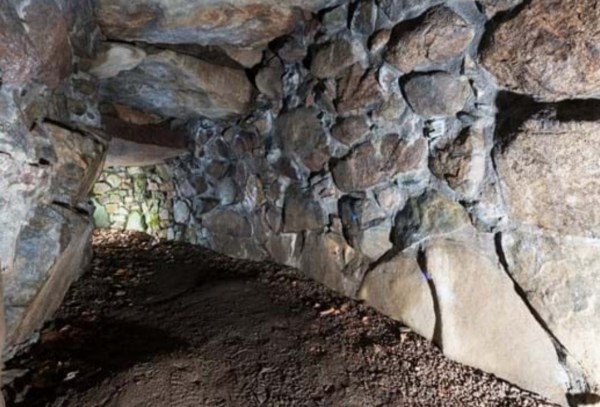
Built about 2,000 years ago, and despite its name, it was not a dwelling, but a 15m stone-lined, underground passage. This Iron Age larder is one of the most complete examples of its kind.
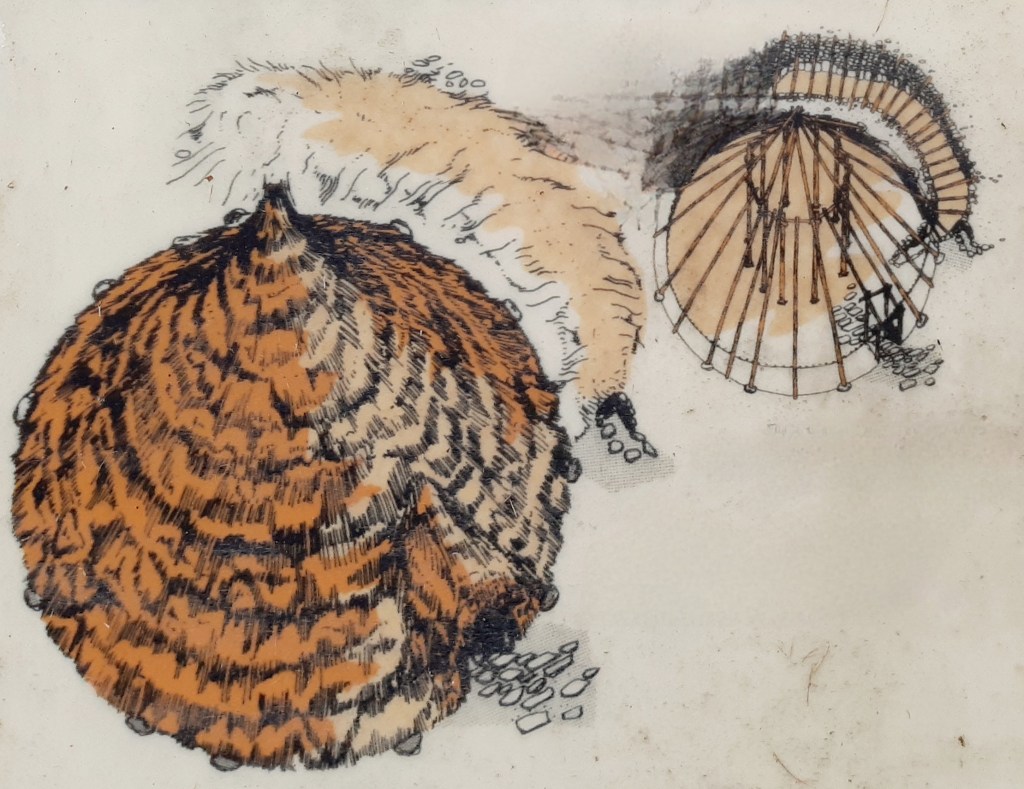
Culsh earth house survives as it was over 2,000 years ago and is one of only a few souterrains in Scotland  that can safely be accessed. We don’t know what it was used for – perhaps a storage space, potentially a hiding place, or as two cup-marked stones inside may indicate it may have had some ritual significance. From the outside this souterrain appears to be just a bump in the ground therefore it would not have attracted any attention, It could, however, be entered both from within the round-house built above it and from the concealed outside entrance.

Check out other examples of Scottish souterrains such as those at – Tealing, Ardestie and Carlungie.
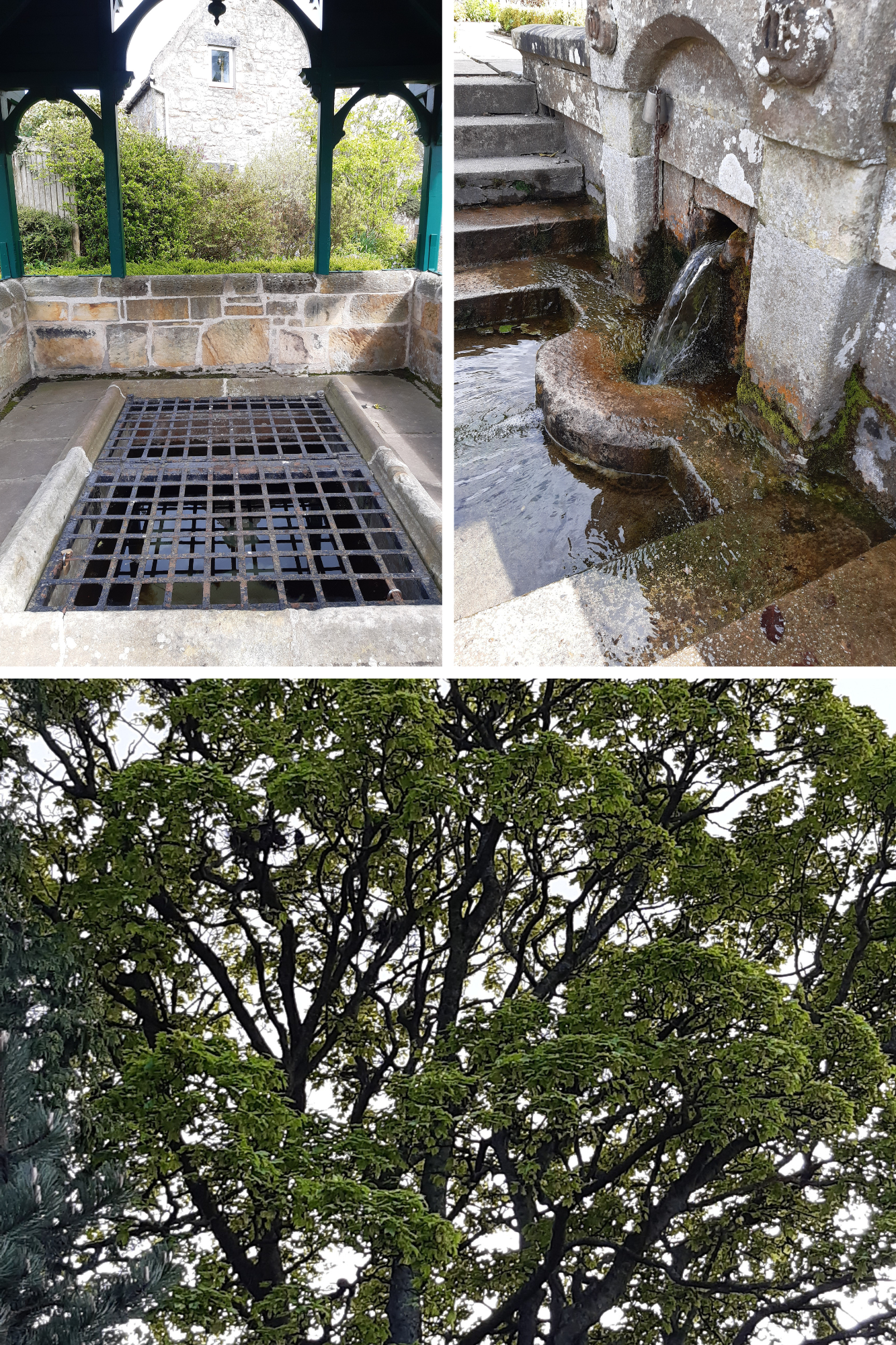
Holy Well, Scotlandwell – Fife

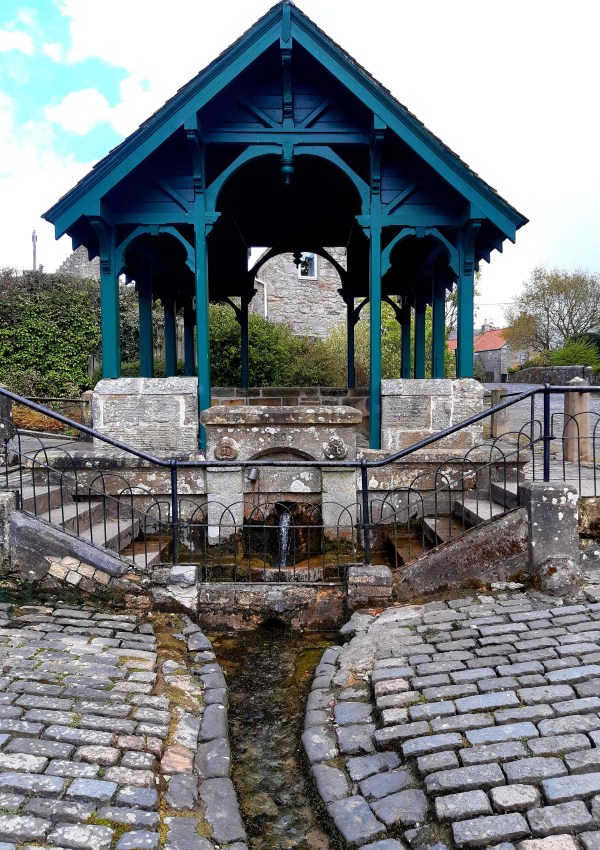
The natural spring water that bubbles up from deep underground and through the sand in the cistern of this well has a history mingled with folklore. It has been renowned for its curative properties for centuries and was first named ‘Fons Scotiae’ (Well of Scotland) by the Romans who passed through this area in 1st century AD. 

The widespread assertion that the water had healing powers meant that Scotlandwell became a significant place of pilgrimage throughout the Medieval period. 

Around 1250, the Trinitarian Friars (aka Red Friars) moved here to establish a hospice, using the healing waters from the holy well for patients in their new hospital of St Mary. It’s said that in the early 14th century, King Robert the Bruce came here in the hope of a cure for his leprosy and records show that Charles II travelled from his Palace in Dunfermline to take the ‘curative’. Mary Queen of Scots is also known to have visited the well to partake of its exquisite water.

The lovely, ornamental structure which now houses this ancient well is built from local sandstone, put in place and completed in 1858 by mason, Thomas Hay, and the wooden canopy constructed by joiner, Alexander Kelloch of Lindores.  The reconstruction of the well, building of an adjacent wash house and drying green was benefacted to the local community by landowner, Thomas Bruce of Arnot and his wife Henrietta Dorin, at a cost of £154. Quite a tidy sum at the time. 

I stop by here often to sit in the peacefulness of this place, drink the water and listen to the cascading of the water as it streams out of the well spout….if it’s not drowned out by the squawking of hundreds of crows that live in nearby sycamore trees.

The Fortingall Yew

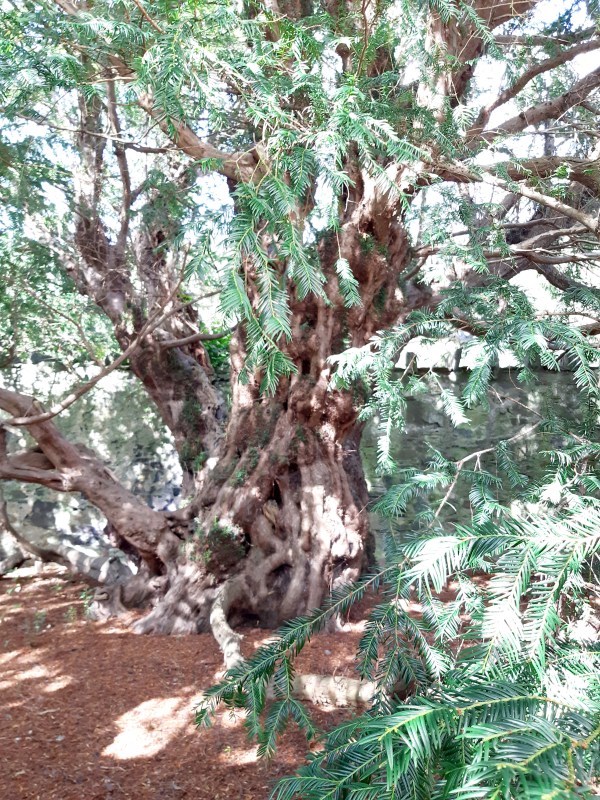
Just a short scenic drive from Loch Tay, in the hamlet of Fortingall, resides Europe’s (and possibly the World’s) oldest living thing. It’s estimated that the roots of this tree weave back over 5,000 years. Under a veil of coniferous needles you can see the relic trunks of what was once a huge, ancient Yew Tree. In 1769 the tree had a girth of approximately 56ft (17m) but sadly as a result of rapacious souvenir hunters, large sections of the yew were ‘appropriated’. Although sitting within the grounds of Fortingall churchyard, a new enclosure which it now occupies, had to be built to stop the tree from being completely destroyed.

Before the arrival of Christianity, the Yew was known as the tree of eternity. At around 500 years old, when most trees have died, Yews start to grow again. This otherworldly power led early people to revere the Yew and the Fortingall Yew Tree may have marked a place of worship for them. Archaeological evidence indicates this area has been inhabited for more than 5,000 years and three groups of standing stones and numerous large, cupmarked stones from that timeline can be found nearby. As with many ‘pagan’ sites, when early Christians arrived at Fortingall in the 7th century, they built their new church next to the Yew.

Over subsequent centuries, Yew trees continued to be cultivated within the enclosed grounds of Churches throughout Britain because although the Yew is toxic to livestock, the wood from these trees was best for producing longbows.

Blog at WordPress.com.

Up ↑