Tullibody Old Kirk & Maiden’s Grave Stone – Tullibody, Clackmannanshire

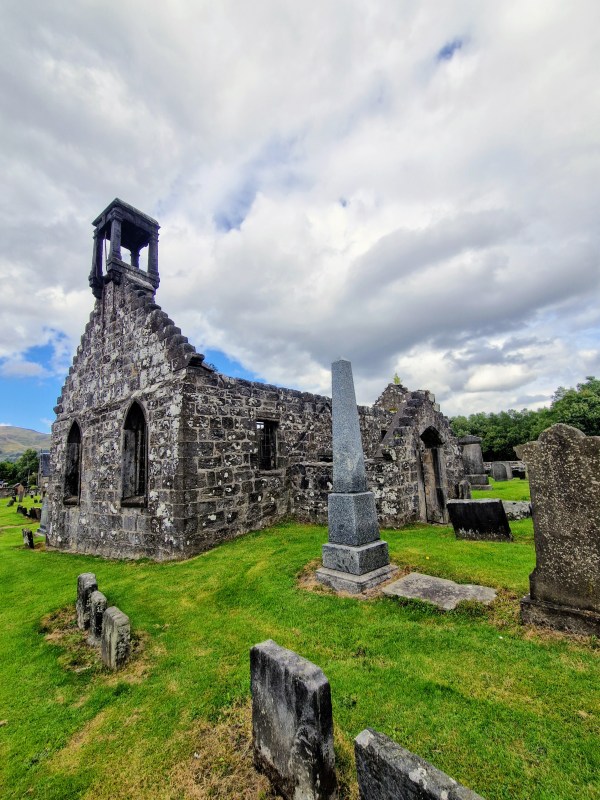
The roofless ruin of this Old Kirk in Tullibody, Clackmannanshire, is now a scheduled monument. It was founded in 1149, however, various sources note there were earlier churches on this site and it’s thought that there was a Kirk here from the end of the fourth century. This existing structure has been rebuilt a couple of times, first in the 16th century then again in 1760.

French troops removed the roof of the Kirk to build a bridge over the River Devon after Sir William Kirkcaldy of Grange destroyed the Tullibody Bridge to prevent them from retreating to Stirling at the end of 1560. Sir William was a Scottish Politician and Soldier who initially fought for the Scottish Reformation. He eventually vowed his allegiance to Mary Queen of Scots, became her champion during times of need and held Edinburgh Castle on her behalf from 1568 to 1573. Following the abdication of the Queen, the Marian Civil War ensued and Edinburgh Castle was eventually surrendered by the ‘Queens Men’ on May 28th 1573 when Kirkcaldy was taken prisoner and held at Holyroodhouse. Great efforts were made to save him from reprisal of his enemies, but they were all in vain. John Knox had prophesied that he would be hanged and so Sir William was taken and hanged at the Cross in Edinburgh on 3rd August 1573.
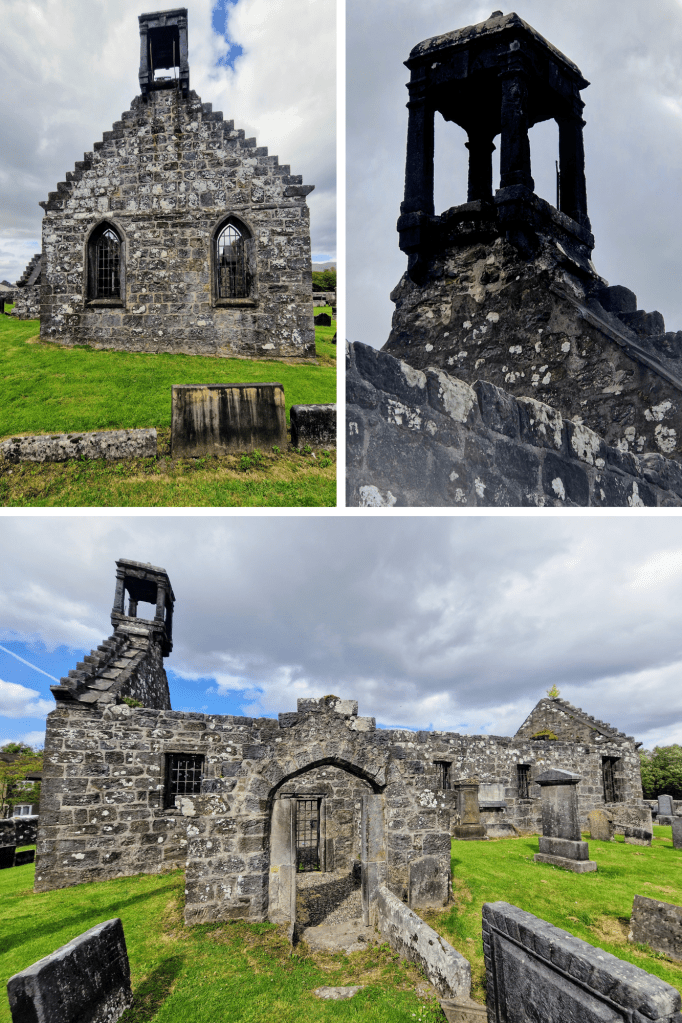
As it had become dilapidated, the Old Kirk was again renovated in 1760 with the bellcote being added in 1772, then latterly, the western windows and a south porch in the 1800’s. In 1904, St Serf’s Parish Church was built to the north of the Old Kirk which sadly thereafter, became disused.

There are many interesting grave stones and slabs to look at and ponder within the grounds of Tullibody Old Kirk but none more so than the ‘Maiden’s Stone’ and the story of forbidden love and tragedy woven around it.
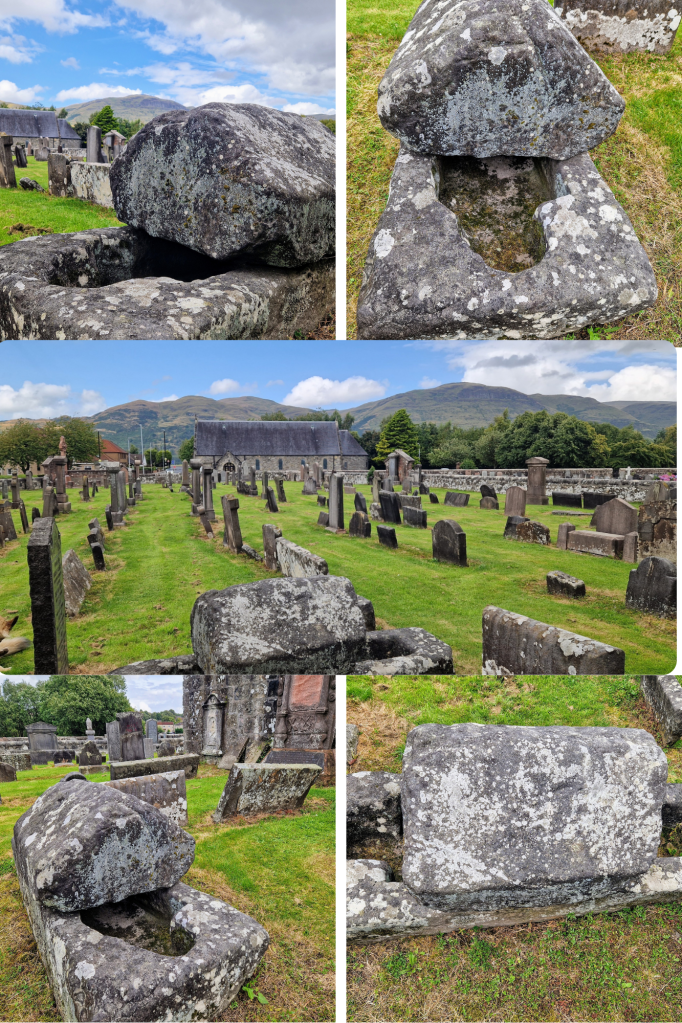
The ‘Stone’ is an ancient sarcophagus, topped with what remains of a coping stone lid. It’s said that this is was the coffin of Martha Wishart, the maid of Myretoun. In 1450, Martha, a beautiful maiden and only daughter of wealthy landowner, the Laird of Myretoun, fell prey to the young and very handsome local priest, Peter Beaton. He seduced her while she fell in love with him. On hearing the news she was pregnant, Beaton abandoned her to her shame. The unscrupulous and ambitious priest had toyed with her heart for access to her family connections. His sights were on rising through the ranks of the community and the church. Martha kept her pregnancy secret from those outside the family, languishing and dying of a broken heart before her child was born. On her deathbed, she requested her parents place her grave by the door of the Kirk so each time the priest entered he would be required to walk past her. Beaton blocked up the Kirk’s north door following Martha’s internment, establishing a new entryway through a south door in order to avoid passing her grave. Soon, the locals knew the truth and Beaton was shunned by the community he’d contrived to become such a lofty member off. The Abbot of Cambuskenneth heard of Beaton’s transgressions and it’s said that the news of his errant behaviour reached as far as the Vatican. One day however, Beaton simply disappeared, a story circulating that he had wandered off, a madman. Or, had he instead met vengeance in the form of a grieving Father?
St Bride’s Kirk – Old Blair by Blair Atholl

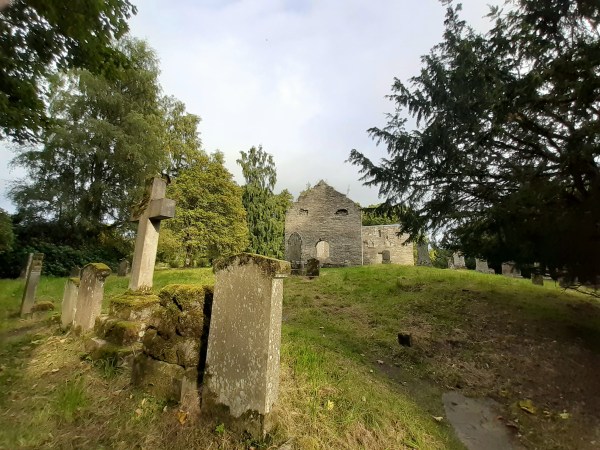
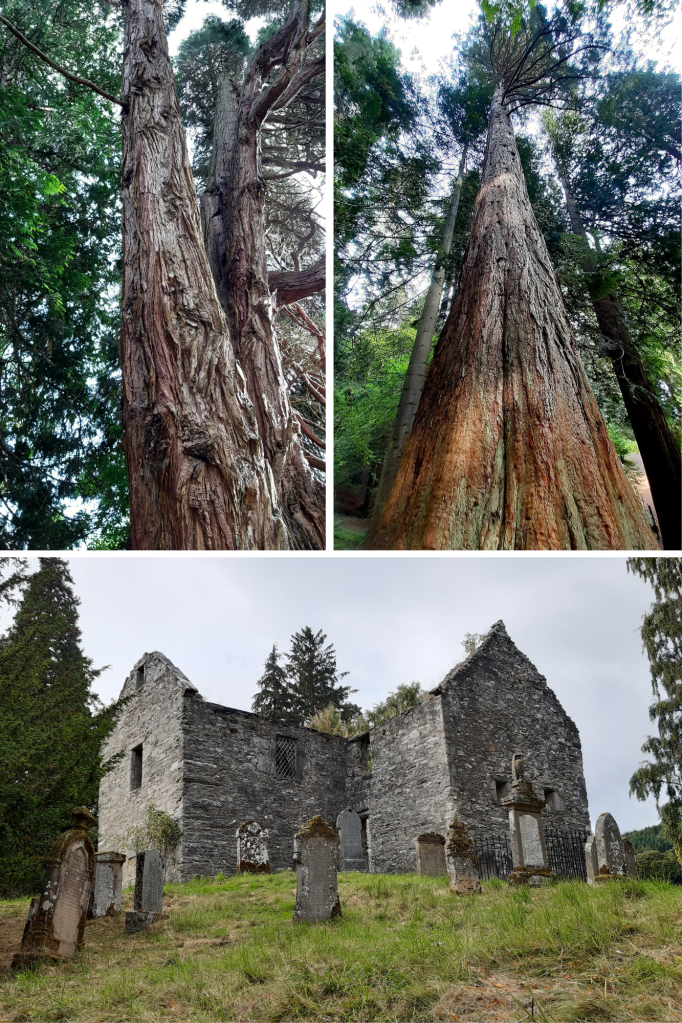
Reaching this 16th century Kirk takes in a lovely walk northward past Blair Castle, through ancient and varied woodland, including exotic Cedar and Sequoia trees, to a clearing on a mound. The Kirk lies where once was the village of Old Blair through which the old Perth to Inverness road used to run. The fabric of this existing structure dates back to around 1560 however its origins are rooted in Celtic times, standing on a raised circular mound, built over earlier churches possibly dating as far back as the dark ages.

Surviving records show that in 1275 when Scottish Churches were required to finance the crusades, St Brides made payments of 32 shillings which was a significant amount in those times. In 1475 Angus Og, the son of John MacDonald II, Lord of the Isles, attacked Blair Castle. The Earl and Countess of Atholl took refuge in the Kirk but were taken prisoner by Angus who sacked and damaged the building. While sailing back to Islay, Angus’ ship was nearly lost in a violent storm and this was interpreted as retribution for what he’d done to the Kirk. It’s told that he immediately returned to Blair Atholl where he paid for repairs to St Bride’s to try to make amends with God for his actions.

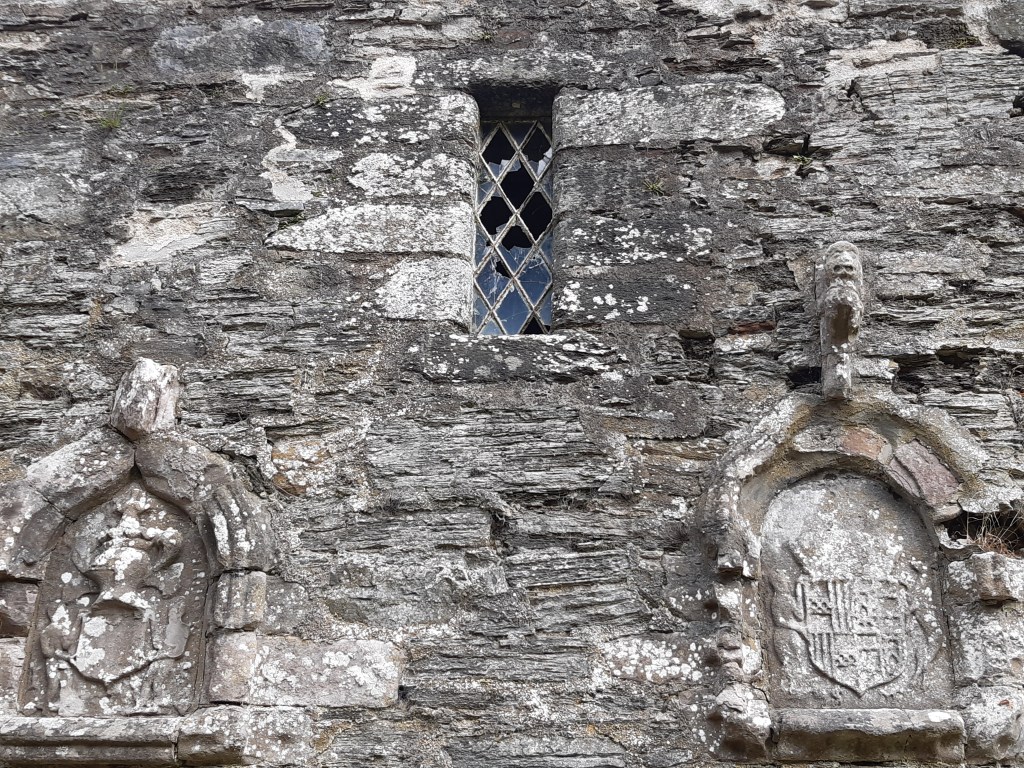
The Coat of Arms of the 4th Earl of Atholl and his 2nd wife were mounted on the outside of the Kirk in 1579.

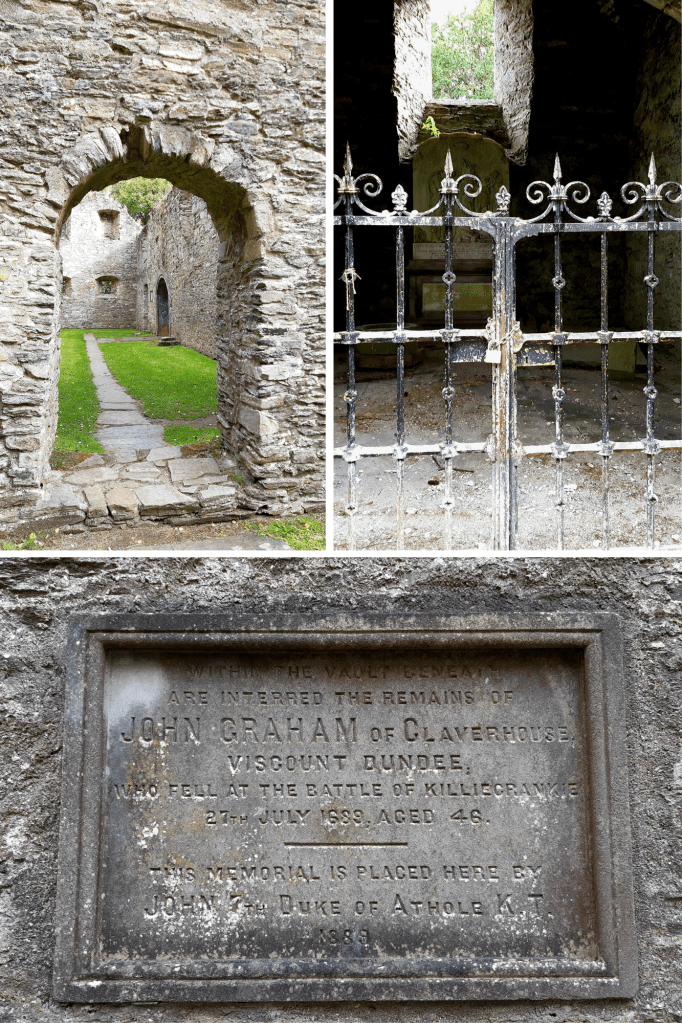
On 27 July 1689, John Graham of Claverhouse 1st Viscount Dundee (known as ‘Bonnie Dundee’) led his Jacobean army against General Hugh McKay’s Government forces at the Battle of Killiecrankie. Victory was on the the Jacobites side that day, however, amongst the many casualties Dundee himself was mortally wounded. Three days after his death his body was carried here to St Bride’s where he was buried in the vault beneath the South Aisle Mausoleum. Sadly, the vault was broken into in the 1790’s and Dundee’s armour was looted and sold as scrap. The breastplate is the only item remaining and is now on display in Blair Castle.

In 1824, the village of Blair Atholl built its own Church so St Bride’s gradually fell into disrepair. The 6th Duke of Atholl was buried here in 1864 then also his wife Countess Anne in 1897. The remains of other family members were reinterred to the West of the Kirk from and earlier family cemetery in 1954.

The Fortingall Yew

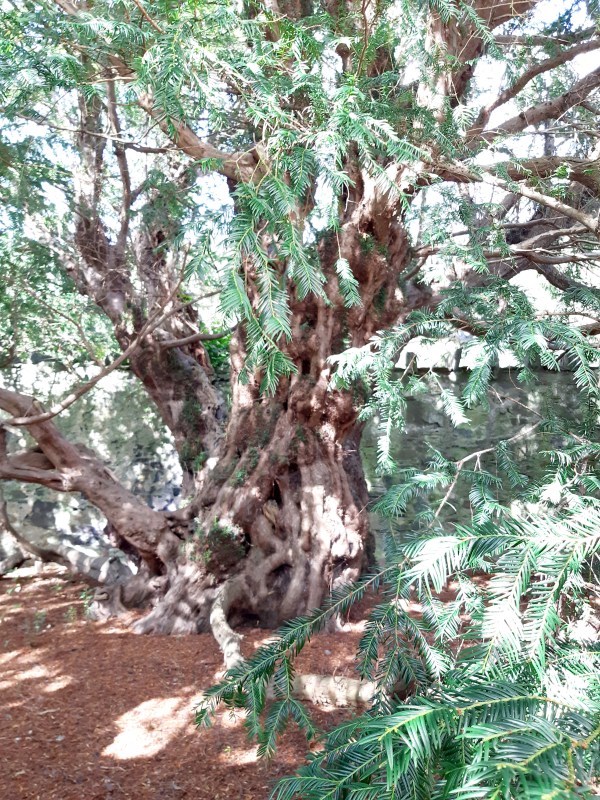
Just a short scenic drive from Loch Tay, in the hamlet of Fortingall, resides Europe’s (and possibly the World’s) oldest living thing. It’s estimated that the roots of this tree weave back over 5,000 years. Under a veil of coniferous needles you can see the relic trunks of what was once a huge, ancient Yew Tree. In 1769 the tree had a girth of approximately 56ft (17m) but sadly as a result of rapacious souvenir hunters, large sections of the yew were ‘appropriated’. Although sitting within the grounds of Fortingall churchyard, a new enclosure which it now occupies, had to be built to stop the tree from being completely destroyed.

Before the arrival of Christianity, the Yew was known as the tree of eternity. At around 500 years old, when most trees have died, Yews start to grow again. This otherworldly power led early people to revere the Yew and the Fortingall Yew Tree may have marked a place of worship for them. Archaeological evidence indicates this area has been inhabited for more than 5,000 years and three groups of standing stones and numerous large, cupmarked stones from that timeline can be found nearby. As with many ‘pagan’ sites, when early Christians arrived at Fortingall in the 7th century, they built their new church next to the Yew.

Over subsequent centuries, Yew trees continued to be cultivated within the enclosed grounds of Churches throughout Britain because although the Yew is toxic to livestock, the wood from these trees was best for producing longbows.

First Detailed Map of Scotland

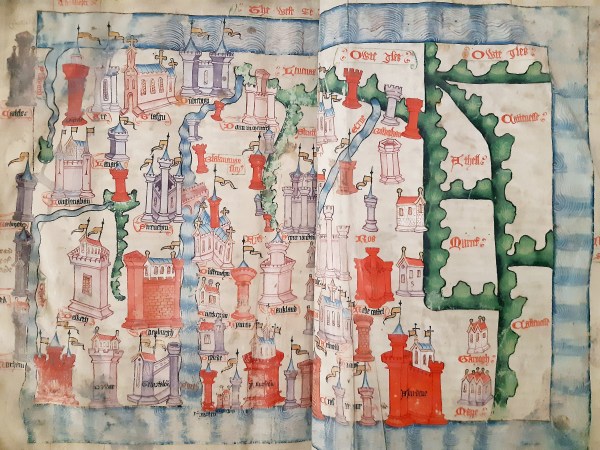
This outstanding map shows Scotland as an inviting and wealthy Country with great cities, walled towns, majestic castles and grand churches. Presented to King Henry VI of England in 1457 by chronicler, John Hardyng, it was done so as an enticement for the King to invade Scotland.

Hardyng had originally been sent as a spy on a secret mission to Scotland by Henry V (1413-1422) who intended to invade. However, Henry V died so the map became part of Hardyngs first chronicle, ‘A History of England and its Neighbours’. Hardyng suggested a route England’s army could take to invade Scotland.

The Map was being displayed at Wardlaw Museum, St Andrews, while on loan from the British Library, so I took the opportunity to pop by to see it. Being a fan of using maps to find my way around rather than relying on GPS, I was intrigued to see this. It’s not everyday you can have a close up look at something that’s almost 800 years old!

Guard of Honour

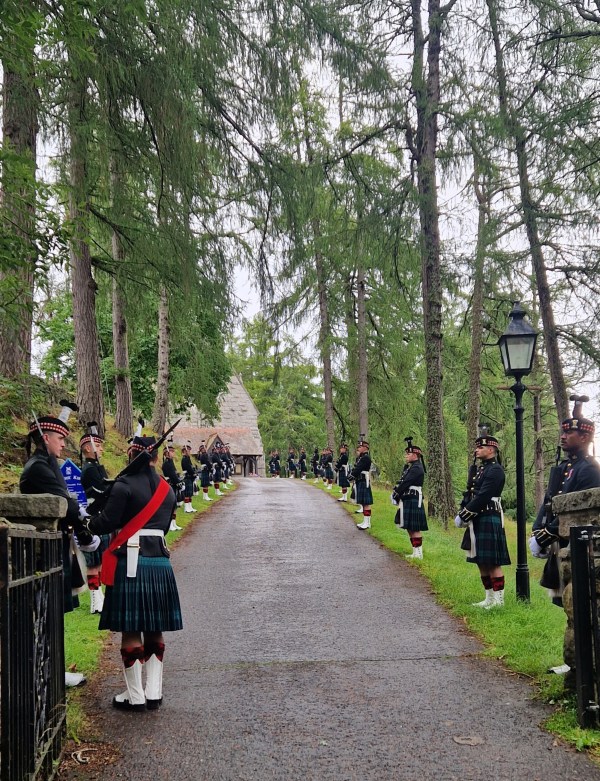
Fortuitously, I was in a café in Ballater when I heard this event would be taking place and as I was only a 15 minute drive away I thought I’d go along to watch the proceedings.

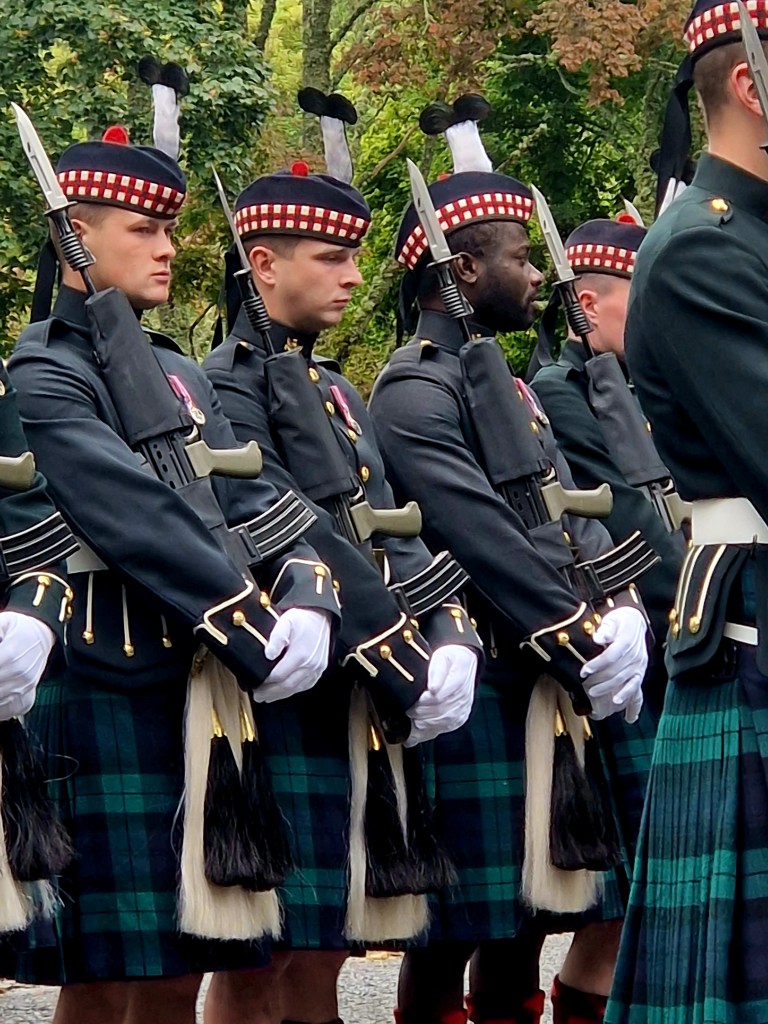
Balaklava Company, 5th Battalion of the Royal Regiment of Scotland, forms a Guard of Honour at Crathie Kirk to welcome members of the Royal Family. The British Royal Family have worshiped here at Crathie for over a century. While they are an independent rifle company, Balaklava Company are renowned for their ceremonial role in Scotland and remain on Royal Guard at Balmoral for the duration of the Monarch’s summer stay there.

Balaklava Company participated in ceremonies to escort the late Queen, Elizabeth II, in her coffin from Balmoral to Edinburgh then onward to London. They were also involved in her funeral. Lieutenant General, Nick Borton, said “It’s a deeply personal attachment for all the soldiers in the regiment to be involved in her funeral arrangements,” he said. “She was very fond of the regiment and all the soldiers in it. For us, it’s not just a military task, we’re saying goodbye to our Commander in Chief and our Colonel.”

Blog at WordPress.com.

Up ↑